
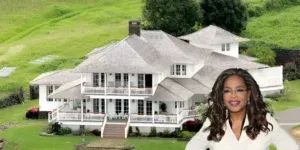
People have always looked at houses with curiosity. Not because walls are interesting by themselves, but because homes quietly show choices, habits, status, comfort, and sometimes power. A house can explain more than interviews do. Some places look expensive but feel empty. Others appear simple and somehow become unforgettable.
Big houses attract attention for different reasons. Some people search for design ideas. Some enjoy architecture. Others simply want to understand how different lifestyles appear in physical spaces. Homes connected to public figures usually become part of public identity after some time.
This world includes famous mansions, executive estates, official residences, and old royal properties that still carry history. Every category feels different once people start paying attention.
Private Spaces Behind Fame
The idea of a Celebrity House sounds glamorous at first glance. Most people imagine giant pools, endless gardens, and rooms that rarely get used. Reality is usually more mixed than imagination.
Many celebrities prefer houses that support privacy rather than constant luxury. Open layouts remain popular, but secure boundaries matter more than decorative details. Soundproof areas, private gyms, screening rooms, and outdoor relaxation zones appear often.
Modern celebrity properties also reflect practical needs. Recording artists may build studio spaces. Actors sometimes create personal viewing rooms. Sports personalities often dedicate sections to training and recovery.
Minimal design has become more common than old-school luxury. Large windows, natural materials, and neutral colors appear repeatedly across public home tours.
What makes these homes interesting is not only money. It is the attempt to create normal life inside public attention.
Homes Built Through Enterprise
A Business Tycoon House usually tells a different story. These spaces often feel intentional rather than dramatic. Successful business figures often focus on function, long-term value, and controlled design decisions.
Large office-style spaces inside private homes became more common over recent years. Dedicated work areas, meeting lounges, and quiet libraries appear frequently.
Architecture choices often communicate identity. Some owners prefer sharp modern structures. Others invest in traditional styles connected with heritage or family values.
Energy efficiency also matters more now. Solar systems, automated lighting, temperature management, and sustainable construction practices are increasingly visible.
Many people assume these homes are filled only with expensive decoration. In practice, business leaders often reduce visual noise and prioritize efficiency.
The interesting part is that wealth does not always translate into visual excess.
Buildings Connected With Power
Political homes create another category entirely. A Political Residences environment often balances personal life with public expectations.
These places are rarely designed only for comfort. Security planning shapes everything. Visitor movement, meeting areas, staff access, and event spaces influence architecture.
Official residences across different countries often combine historical identity with modern infrastructure. Governments maintain these places carefully because buildings become symbols.
Interior choices usually stay conservative. Formal meeting rooms, historical artwork, and nationally meaningful objects appear regularly.
Public interest in these homes increases during elections or major political events. People become curious about how leaders live and work.
Yet many official residences are less extravagant than popular assumptions suggest.
Architecture in political spaces often communicates stability more than luxury.
Historic Walls Still Matter
A Royal House carries a different atmosphere from modern luxury estates. Royal residences connect architecture with history in ways few private homes can match.
These properties often developed across centuries instead of being completed in one construction phase. That creates unusual combinations of styles.
Grand halls, formal gardens, ceremonial rooms, and preserved collections remain important elements.
Maintenance itself becomes a major responsibility. Historic preservation requires careful restoration and long-term planning.
Visitors usually notice scale first. Then details begin to stand out. Carved ceilings, old stonework, handcrafted furniture, and ceremonial spaces create experiences that modern buildings rarely match.
Some royal properties remain active residences while others operate partly as public heritage sites.
Their value extends beyond appearance because they preserve cultural memory.
Design Choices Across Categories
Looking across these four types of houses reveals interesting patterns.
Celebrity spaces often prioritize personal identity.
Business properties emphasize control and efficiency.
Political environments focus on protocol and representation.
Royal estates preserve continuity and heritage.
Technology appears everywhere, although in different forms. Entertainment systems dominate entertainment-focused homes. Security technology shapes political buildings. Sustainability attracts business owners. Conservation technologies support royal estates.
Furniture choices also differ.
Public figures often select flexible interiors.
Executives prefer structured arrangements.
Royal spaces preserve historical consistency.
Nothing follows one universal rule.
Privacy Changes Architecture
People underestimate how strongly privacy changes house design.
Large walls alone are not the answer. Privacy planning involves orientation, landscaping, internal room arrangement, and controlled visibility.
This becomes obvious inside a Celebrity House because public attention never completely disappears.
Private entrances, hidden garages, separated guest zones, and protected outdoor areas become normal choices.
Business leaders apply similar thinking differently. Controlled access and work-life separation matter more than media protection.
Political properties introduce additional security layers.
Royal residences balance privacy with ceremonial visibility.
The result often changes the entire experience of a property.
A house designed for visibility feels completely different from one designed for protection.
Luxury Means Different Things
Luxury has changed quietly.
Years ago people associated luxury with size alone. Bigger rooms meant greater success.
That idea weakened.
Today luxury may mean silence, location, air quality, natural light, flexible spaces, and reduced maintenance.
Inside a Business Tycoon House, luxury sometimes means time efficiency instead of decorative complexity.
In royal environments, luxury may appear through craftsmanship and heritage.
Political residences rarely compete in luxury at all because public perception matters.
Celebrity spaces remain more experimental.
People continue chasing large homes while gradually redefining what comfort actually means.
Public Curiosity Never Stops
Interest in public homes continues growing because houses feel personal.
People rarely study tax reports or meeting schedules for entertainment. They look at living spaces.
Photos reveal patterns.
Open shelves suggest different habits than closed cabinets.
Outdoor areas reflect priorities.
Work spaces hint at routines.
A second mention of Political Residences matters here because public spaces often become unofficial communication tools.
People interpret architecture emotionally even when no official message exists.
Royal properties attract visitors for historical reasons.
Celebrity estates inspire decoration trends.
Business houses encourage aspiration.
Architecture quietly influences culture.
Old Traditions Meet New Systems
Technology now appears in places that once resisted change.
Historic buildings receive climate management systems.
Political residences integrate digital infrastructure.
Celebrity properties adopt advanced media rooms.
Executive homes improve automation.
Even traditional royal estates continue adapting.
A second appearance of Royal House becomes relevant because historical preservation increasingly depends on modern engineering.
Climate control, restoration software, and structural monitoring help maintain older spaces.
Modernization does not always remove character.
Sometimes it protects it.
That balance creates better long-term results than choosing one extreme.
Houses As Cultural Signals
Buildings communicate things people never say directly.
Location communicates priorities.
Materials suggest values.
Space allocation reveals lifestyle.
Public houses receive more attention because people interpret meaning from details.
A second appearance of Celebrity House reminds people that image and personal comfort rarely exist separately.
Meanwhile, business residences often show discipline through design consistency.
Political spaces communicate authority carefully.
Royal environments preserve continuity.
People keep searching because homes feel tangible in ways speeches never do.
Architecture remains one of the easiest ways to observe social change.
Conclusion
Homes connected with fame, influence, business success, and heritage continue attracting attention because they reveal more than appearances suggest. Looking closely at design choices, privacy decisions, and historical context creates a better understanding of how people live within different forms of public visibility. On famehouseworld.com, these categories can become more than photo collections and turn into useful observations about architecture, culture, and modern lifestyles. Every house tells something different when viewed carefully. Keep exploring thoughtfully and discover what spaces reveal beyond luxury alone.
Read also:-
sushant singh rajput net worth
kutcha house meaning in malayalam
