
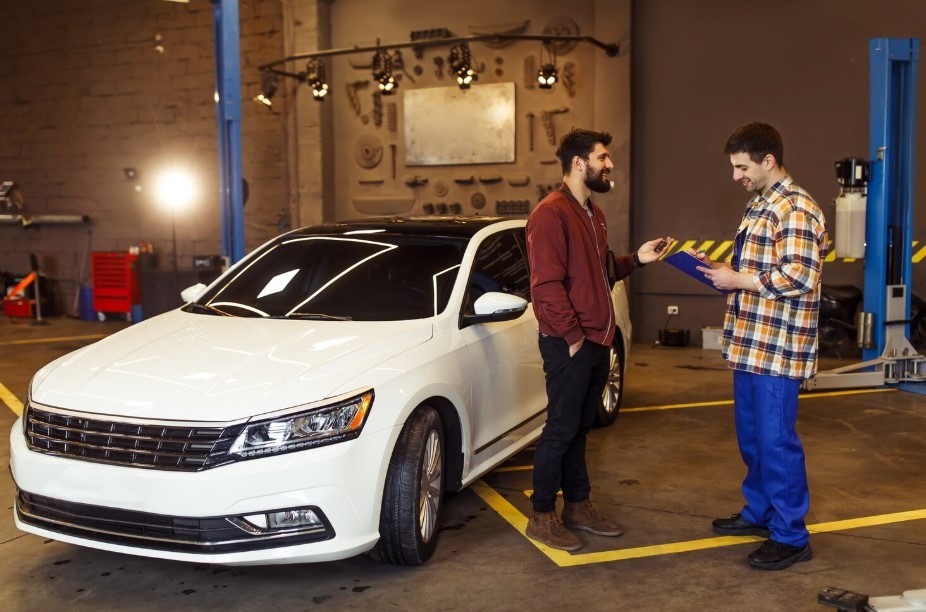
Most drivers assume that if a car is running fine today, everything is fine underneath as well. That assumption usually feels correct in the short term, but it often hides slowly developing problems inside important vehicle systems. Modern cars are designed to keep working even when small faults start appearing, which is exactly why many issues remain unnoticed until repair bills become serious later.
Vehicles today depend on a balance between mechanical parts and electronic systems working together continuously. When one part starts weakening, the rest of the system compensates for a while. That delay creates a false sense of safety for drivers during everyday use.
Many problems begin quietly and grow gradually. You do not always hear or feel them immediately, which makes regular inspection more important than waiting for clear symptoms. Maintenance habits matter more than driving skill in long-term vehicle health.
Small Engine Wear
Engine wear does not happen suddenly in most cases. It builds slowly through heat cycles, friction, and delayed maintenance practices over time. Drivers often continue using vehicles normally even when internal efficiency begins dropping gradually.
Slight power loss is one of the earliest signs, but many people ignore it because the car still moves normally. Increased vibration at idle or minor noise changes may also appear during early stages of wear.
Poor lubrication accelerates internal friction between moving components. Over time, this affects pistons, valves, and timing systems inside the engine. Once wear reaches a certain level, performance drops more noticeably and fuel consumption increases together.
Regular oil replacement and filter changes remain the simplest protection against long-term engine damage. Skipping these basic steps usually leads to much higher repair expenses later.
Cooling System Pressure
Cooling systems silently protect engines from overheating during every drive. When they start weakening, the symptoms usually appear slowly instead of immediately.
Low coolant levels, weak radiator performance, or small hose leaks often go unnoticed during early stages. Drivers may only realize the issue when temperature warnings appear on the dashboard unexpectedly later.
Overheating creates serious internal damage very quickly. Head gaskets, engine blocks, and metal seals can suffer permanent damage if temperature limits are exceeded even for a short time.
Dust and debris buildup around radiators also reduces cooling efficiency gradually. This is more common in dusty environments or heavy traffic conditions where airflow is restricted frequently.
Routine coolant checks and radiator inspections help prevent expensive engine failures that could otherwise develop silently over time.
Electrical System Aging
Electrical systems in modern vehicles handle far more functions than older models ever did. They power ignition systems, sensors, lighting, infotainment, and safety features all at once.
Over time, wiring connections loosen slightly due to vibration and heat cycles. This creates small electrical inconsistencies that may appear as random warning lights or system glitches.
Battery health also plays a major role in overall electrical stability. A weakening battery may still start the engine, but it struggles to support all electronic systems properly afterward.
Alternators, fuses, and grounding points also degrade gradually over years of use. These issues often remain hidden until multiple electrical problems appear at the same time.
Regular electrical system checks help detect weak connections early before they affect multiple vehicle functions together.
Brake Efficiency Drop
Brake systems usually show warning signs before complete failure, but many drivers ignore early symptoms because the vehicle still stops normally.
Soft pedal feel, longer stopping distance, or slight vibration during braking often indicate developing issues inside the system. Brake pads wear down gradually, while rotors may become uneven over time.
Brake fluid also absorbs moisture naturally, which reduces its effectiveness and increases internal corrosion risks. This affects hydraulic pressure needed for proper braking performance.
Ignoring these early signs can lead to rotor damage or complete brake failure in extreme cases. Repair costs increase significantly once multiple brake components need replacement together.
Regular inspection and timely replacement of brake parts remain essential for safe driving and cost control.
Suspension Weakening
Suspension systems absorb road impacts and maintain vehicle stability during movement. Over time, constant exposure to rough roads, potholes, and uneven surfaces causes gradual weakening.
Shock absorbers lose efficiency slowly, which may result in slightly bouncy rides or reduced control during turns. Many drivers do not notice these changes immediately because they develop gradually.
Worn suspension parts also affect tire wear patterns. Uneven wear reduces tire lifespan and increases replacement costs unnecessarily.
Loose bushings, worn joints, and weakened struts may also create small noises while driving over rough surfaces. These sounds usually indicate early-stage suspension issues.
Ignoring suspension problems often leads to reduced steering control and increased strain on other connected systems.
Fuel System Contamination
Fuel systems require clean fuel flow to maintain engine efficiency. Over time, dirt particles and deposits can accumulate inside injectors and filters.
Clogged injectors reduce fuel spray quality, which affects combustion performance and engine smoothness. This can lead to rough idling or delayed acceleration response.
Fuel filters gradually become less effective as contaminants build up inside them. This restricts fuel flow and forces the fuel pump to work harder than normal.
Using low-quality fuel repeatedly increases the risk of long-term contamination inside the system. This may lead to expensive cleaning or part replacement later.
Routine fuel system cleaning and filter replacement help maintain smooth engine performance and better fuel economy.
Tire Wear Imbalance
Tire condition affects safety, fuel efficiency, and driving comfort simultaneously. However, tire problems often develop slowly and remain unnoticed until performance drops significantly.
Improper alignment, incorrect air pressure, or uneven road conditions cause irregular tire wear patterns. Once wear becomes uneven, tire replacement becomes necessary much earlier than expected.
Underinflated tires create extra friction, while overinflated tires reduce road grip. Both situations negatively impact driving safety and fuel consumption over time.
Rotating tires regularly helps distribute wear evenly across all wheels. This simple habit extends tire lifespan and improves overall vehicle stability.
Ignoring tire maintenance often leads to sudden blowouts or reduced braking performance in emergency situations.
Software System Glitches
Modern vehicles rely heavily on software systems that control multiple functions simultaneously. These systems occasionally develop minor bugs or performance delays over time.
Infotainment lag, sensor delays, or incorrect warning messages may appear due to outdated software or internal system errors. Many drivers ignore these issues because they do not affect driving directly at first.
However, software glitches can sometimes interfere with safety systems such as parking sensors, camera displays, or stability controls.
Manufacturers often release updates to fix bugs and improve system performance. Ignoring these updates may allow minor issues to persist longer than necessary.
Regular software updates help maintain system accuracy and prevent unnecessary electronic malfunctions.
Long-Term Maintenance Importance
Vehicle maintenance is not about fixing problems after they appear but preventing them before they grow. Small inspections performed regularly often save large repair expenses later.
Drivers who delay maintenance usually end up paying more because multiple issues accumulate over time. Preventive care always costs less than emergency repairs involving major system failures.
Consistent attention to engine health, brakes, tires, and electrical systems ensures better performance and longer vehicle lifespan.
Final Conclusion
Car problems rarely appear suddenly; they build quietly over time through daily use and missed maintenance. Recognizing early warning signs can save both money and safety risks in the long run. proautohelps.com/ focuses on helping drivers understand practical vehicle care in a simple and clear way. Regular servicing, careful observation, and timely repairs keep vehicles reliable and efficient for years. Preventive maintenance is always more cost-effective than major repairs after failure occurs. Stay attentive, act early, and maintain your vehicle properly to avoid unnecessary expenses and ensure long-term driving safety.
Read also:-
