
For students searching for an Engineering College in Nunna Vijayawada, choosing the right institution is one of the most important decisions for building a successful future. Engineering education today is no longer limited to textbooks and classroom lectures. Students now look for colleges that combine academic excellence with practical learning, industry exposure, and future-focused career opportunities. As industries continue evolving with technology, the expectations from engineering education are changing as well.
Modern students want institutions that help them build technical knowledge while also preparing them for real-world challenges. This growing shift in priorities is one of the reasons Vijayawada has emerged as a preferred destination for aspiring engineers across Andhra Pradesh.
The Changing Nature of Engineering Education
Engineering has always been a respected career path, but the way engineering is taught has changed significantly in recent years. Earlier, engineering education focused mainly on theoretical understanding. Today, industries demand graduates who can solve problems, think critically, and apply technical concepts in practical situations.
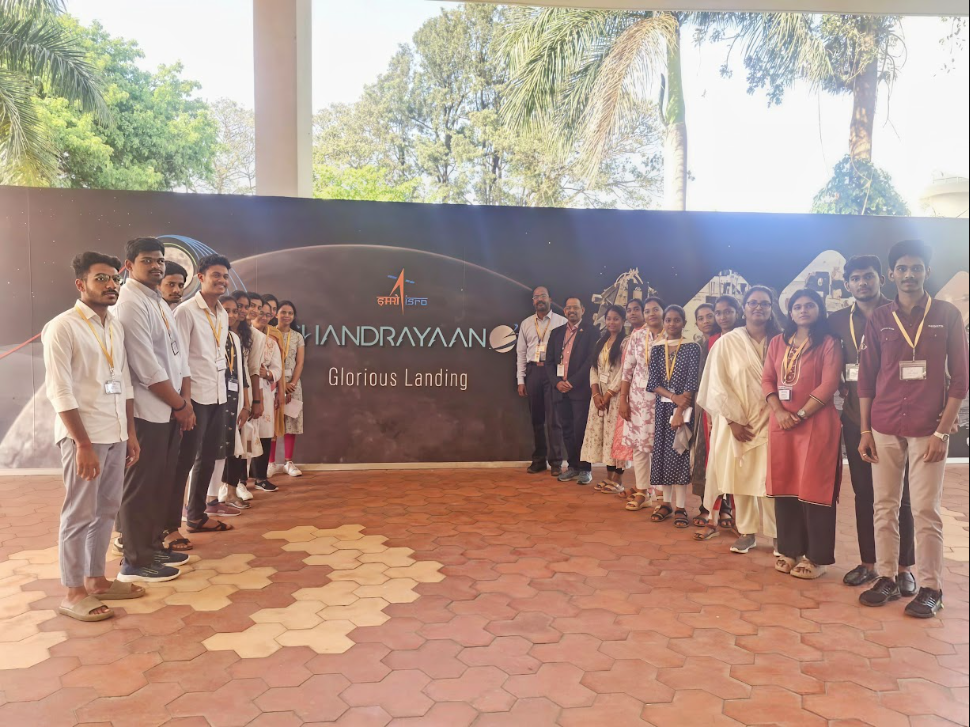
As a result, engineering colleges are increasingly adopting learning methods that combine theory with hands-on experience. Students are encouraged to participate in laboratory work, technical workshops, internships, industrial visits, and project-based learning.
This approach helps students develop confidence while understanding how engineering concepts are applied outside of classrooms. Exposure to practical learning often makes students more prepared for workplace expectations after graduation.
Why Vijayawada Is Becoming a Popular Education Hub
Vijayawada has gradually developed into an important centre for higher education in Andhra Pradesh. Students from different regions now consider the city an attractive destination for technical studies because of its growing educational infrastructure and accessibility.
For many students and parents, location plays an important role in selecting a college. Studying in an area with strong educational support, transportation access, and modern facilities can positively influence the overall learning experience.
Institutions located around Nunna provide students with access to structured academic environments while remaining connected to the opportunities available in a developing educational region. A supportive learning atmosphere often helps students focus better on academics and skill development.
The Growing Demand for Future-Focused Courses
Technology continues to reshape industries across the world, creating demand for engineers with specialised and updated skills. Because of this, students are increasingly interested in programs that align with future career opportunities. Modern engineering institutions now focus on emerging fields such as artificial intelligence, machine learning, cybersecurity, robotics, and data science. These disciplines are becoming increasingly relevant as industries adopt automation and digital transformation.
As interest in technology-driven careers continues to grow, Artificial Intelligence Engineering Vijayawada programs are gaining attention among students who want to build expertise in machine learning, intelligent systems, and advanced computing technologies. These specialised programs help students prepare for industries that rely heavily on automation and smart technology solutions. Colleges that regularly update their curriculum according to changing industry needs often provide students with stronger opportunities to remain competitive in evolving job markets.
The Importance of Campus Facilities and Learning Environment
The quality of an engineering college extends beyond academics. A strong learning environment plays an important role in shaping a student’s overall educational experience. Modern engineering education depends heavily on access to practical resources such as laboratories, workshops, digital classrooms, and technical learning spaces. Institutions that provide updated infrastructure often help students gain a better practical understanding alongside theoretical concepts.
At the same time, student development is not limited to academics alone. Participation in seminars, technical competitions, innovation programs, and extracurricular activities often helps students improve confidence, teamwork, and leadership abilities. Such experiences become valuable during placements and future professional careers.
Why Career Readiness Matters to Students
Students today are increasingly focused on employability. While earning a degree remains important, many also look for institutions that actively help them prepare for future careers. Career-focused colleges often support students through internship opportunities, aptitude training, communication skill development, technical workshops, and mock interview sessions. These initiatives help students understand workplace expectations while improving professional confidence. Industry exposure also helps students connect classroom concepts with practical applications, making the transition from education to employment more effective. Parents and students alike now recognise that a good engineering education should prepare graduates not only academically but also professionally.
Beyond Academics: Overall Student Development
Engineering careers require more than technical knowledge. Employers increasingly value communication, adaptability, teamwork, and problem-solving skills.
Modern engineering institutions often encourage students to participate in activities that support personality development and practical learning. Events such as coding competitions, technical fests, entrepreneurship programs, and collaborative projects help students become more confident and workplace-ready. Developing these skills alongside technical education often creates stronger opportunities for long-term career growth.
Final Thoughts
Modern engineering education is evolving to meet the needs of technology-driven industries. Students today seek institutions that offer more than classroom teaching; they want practical exposure, future-focused learning, and opportunities for personal and professional growth.
For aspiring engineers, choosing the right college involves carefully evaluating academics, infrastructure, learning opportunities, and career preparation. A well-rounded engineering education can help students build both technical expertise and confidence, creating a stronger foundation for future success.
