
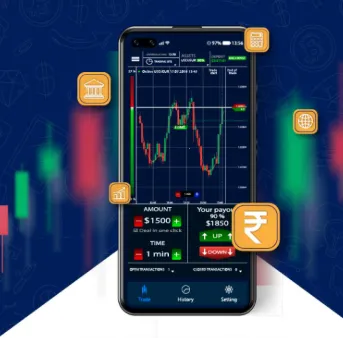
Buying your first shares no longer requires a phone call to a broker or a trip to a bank branch. Today, a few taps on your smartphone can place an order, but convenience alone does not guarantee a good experience. New investors need tools that are clear, secure, and educational. Searching for the best stock trading app is easier when you know which features genuinely matter. This guide explains what to look for in 2026, from security and costs to learning resources, so you can invest with greater confidence.
Why Mobile Investing Has Become So Popular
Smartphones have made investing available to almost anyone with an internet connection. Lower minimum deposits, fractional shares, and instant account opening have removed many traditional barriers. You can review markets during a commute or set price alerts while doing other things. This accessibility is genuinely helpful, but it also makes impulsive decisions easier. Fast tools reward careful users and punish careless ones. Understanding both the advantages and the risks helps you build good habits from the very first trade rather than correcting bad ones later.
Security Features Every Investor Should Expect
Because your money and personal data are involved, security comes first. Look for two-factor authentication, biometric login, encrypted connections, and automatic logout after inactivity. Check whether the provider is regulated and whether client assets are kept separate from company funds. Be cautious with unfamiliar applications that have few reviews or unclear ownership. Download only from official stores, keep your device updated, and never share verification codes. A polished design means nothing if the service cannot protect your account from unauthorised access. Security protects everything else you build.
A Clear Interface That Reduces Mistakes
A good trading app presents information simply, showing your balance, open positions, and order status without clutter. New investors benefit from clear labels for market orders and limit orders, along with confirmation screens that display the total cost before you commit. Charts should be readable on a small screen, and navigation should feel intuitive rather than cramped. Test the interface using a demo mode if one is available. If you feel confused during practice, you will almost certainly feel worse when real money is involved.
Transparent Costs and Fair Pricing
Many applications advertise commission-free trading, yet costs can still appear elsewhere. Examine spreads, currency conversion charges, withdrawal fees, and any monthly subscription for premium features. Compare these against how often you expect to trade. A long-term investor who buys occasionally has different needs from an active trader placing several orders weekly. Choose the pricing structure that suits your behaviour, and read the fee schedule fully before depositing. Transparent providers explain their charges plainly, while evasive ones tend to bury them in small print. Choose carefully before you deposit.
Research Tools and Learning Resources
Confidence grows from understanding, so look for applications that provide more than a buy button. Useful features include company profiles, earnings calendars, news feeds, watchlists, and educational articles written for beginners. Price alerts help you stay informed without staring at the screen. Some services offer practice accounts where you can try ideas with virtual money first. These tools do not guarantee profits, but they encourage you to research before buying instead of following rumours or chasing whatever happens to be rising that day. Curiosity and research always beat impulse.
Building Sensible Habits on Your Phone
Even the best tools cannot fix poor habits. Decide in advance how much you will invest, which companies you understand, and when you would sell. Avoid checking prices constantly, because frequent monitoring encourages overreaction. Turn off unnecessary notifications, and consider scheduling a weekly review instead. Diversify across several holdings rather than concentrating everything in a single share. Treat the application as a convenient instrument for carrying out a thoughtful plan, not as a game that rewards speed and excitement. Patience and planning protect your confidence over the long run.
Conclusion
New investors in 2026 have access to excellent mobile tools, but confidence comes from choosing them wisely. Prioritise security, clarity, transparent costs, and genuine learning resources over flashy design. Practise first when possible, start with modest amounts, and build habits that keep emotion out of your decisions. Remember that no application can remove market risk, only help you manage it. To see how a modern platform brings these ideas together, take a look at tradewill.com and compare its features with the checklist from this guide.
