
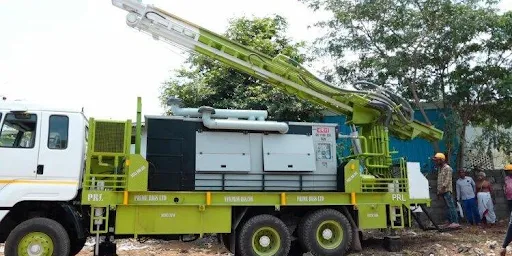
A drilling project rarely follows exactly the same conditions from one site to another. One location may require shallow boreholes in soft soil, while another demands deeper drilling through hard rock. For contractors planning their investment, understanding the capabilities and operating requirements of a drilling rig machine is essential. Looking beyond the initial purchase cost helps buyers select equipment that supports reliable performance, manageable expenses, and the demands of future projects.
Define The Work Before Choosing Equipment
The first step is to identify the type of drilling work the machine must perform. Water well development, construction activities, and industrial drilling can require different equipment configurations.
Expected drilling depth, borehole diameter, geological conditions, and daily operating hours help establish the necessary capacity. A clear project assessment prevents buyers from paying for features they rarely need or choosing machinery that cannot handle the intended workload.
Understand The Factors Behind Pricing
The water drilling machine price can vary considerably depending on equipment size, drilling capacity, power system, technology, and included accessories. Machines designed for demanding formations may require stronger components and specialised tooling, affecting the overall investment.
Buyers should compare equipment with similar specifications rather than relying on advertised prices alone. Transport, installation, taxes, and additional tools may also influence the final purchase cost.
Evaluate Performance Under Real Conditions
Maximum rated depth can be useful when comparing machines, but it does not guarantee the same performance at every site. Rock hardness, soil composition, drilling techniques, and operator experience can affect working speed and equipment efficiency.
Ask for technical specifications that explain operating limits and compatible drilling tools. Where possible, review performance information from applications similar to the planned project. This provides a more realistic basis for evaluating whether a machine meets operational expectations.
Calculate The Cost of Daily Operation
Purchase expenses represent only one part of equipment ownership. Fuel consumption, routine servicing, replacement components, drill bits, and transportation contribute to ongoing costs. A drilling rig machine should be evaluated based on its expected workload and the resources required to keep it operating efficiently.
A machine that appears affordable initially may become expensive if it requires frequent repairs or specialised parts that are difficult to obtain. Comparing maintenance schedules and expected operating expenses helps buyers estimate the investment over the equipment’s working life.
Examine Maintenance And Component Quality
Hydraulic systems, engines, pumps, rotating assemblies, and drilling tools must work together for consistent operation. Poor maintenance can lead to performance problems, unexpected downtime, and costly repairs.
Before purchasing, examine maintenance records where available and confirm whether replacement parts can be sourced conveniently. Buyers considering used machinery should pay particular attention to previous repairs, component wear, and any warranty offered.
Conclusion
Evaluating drilling equipment requires attention to capacity, purchase price, operating expenses, maintenance, and future requirements. Comparing specifications alongside total ownership costs helps buyers make practical investment decisions. Checking the water drilling machine price against expected performance and long-term service needs can also help businesses choose equipment that fits their budget and operational goals. For businesses researching available machinery, Prime Rigs offers a starting point for exploring equipment options and identifying solutions suited to their operational needs.
